
Vitality Boosting Restorative Programs Texas
What is Vitality Boosting Restorative Programs?
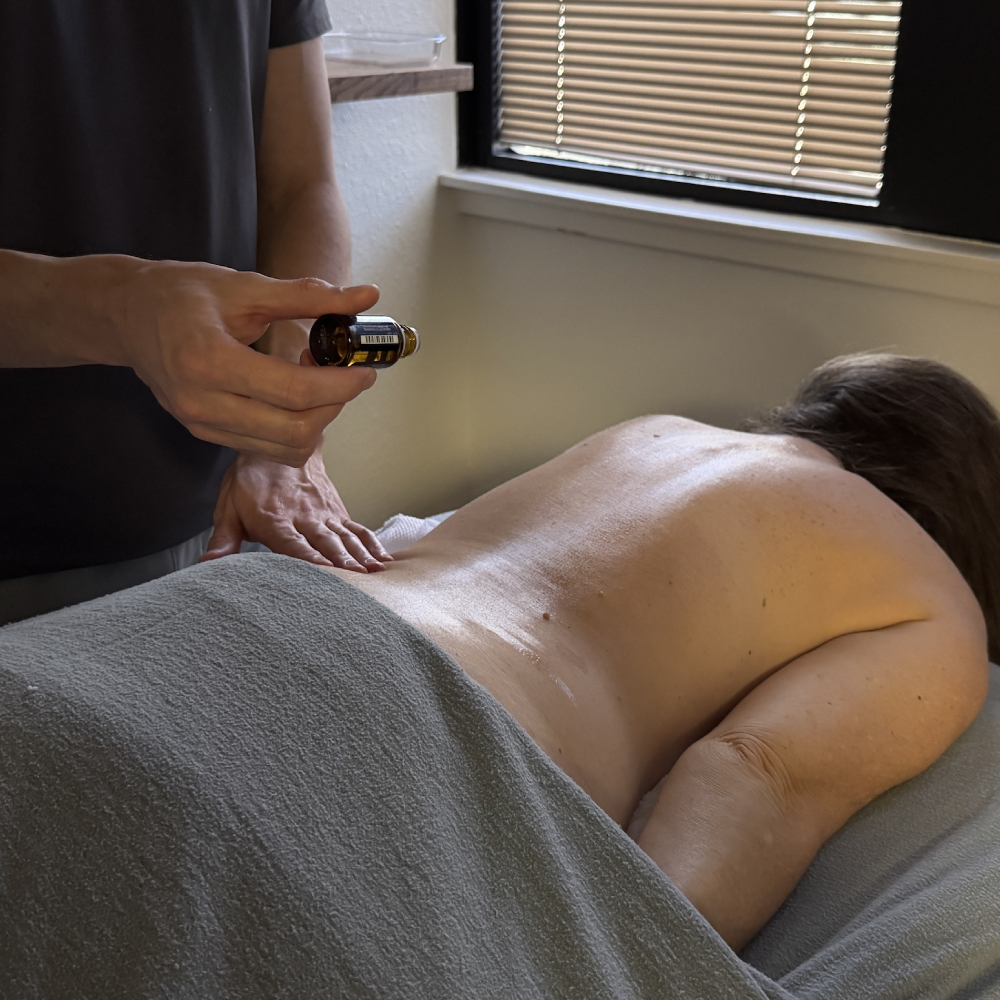
Beyond conventional approaches, restorative care uses individualized physiotherapy to help people restore their freedom, mobility, and self-assurance. Treating the individual as a whole and recognizing the relationship between mental, emotional, and physical health are essential components of restorative health. Methods from Vitality Boosting Restorative Programs Texas are made to improve overall appearance and solve a number of issues.
What is Restorative Care?
A proactive, outcome-based strategy, restorative care aims to help people regain their freedom, increase their mobility, and improve their quality of life. It is particularly helpful for people recovering from illness, injury, or surgery, as well as for people managing chronic diseases like Parkinson’s disease, multiple sclerosis, or arthritis. Restorative physical therapy offers a healing approach that enhances both mental and physical health.
Why Does Restorative Care Go Beyond Simple Care?
A lot of people consider care to be passive, such as helping someone with everyday chores or controlling symptoms. However, rehabilitative care encompasses much more. It’s about giving people the freedom to take care of themselves once more. We concentrate on exercises and training to help someone regain the capacity to dress themselves independently rather than just helping them get dressed.
Aspects of Restorative Programs That Boost Vitality
Vitality Boosting Restorative Programs combine cellular-level healing with lifestyle interventions to reclaim energy, immunity, and general longevity. In order to fight weariness, chronic inflammation, and early aging, these programs usually combine traditional healing techniques with contemporary technology.
“Restoring Vitality and Renewal” refers to the deliberate process of reversing deterioration in environmental, social, or biological systems in order to restore a condition of strong health, functional capacity, and self-organizing potential. This initiative aims for a better, more resilient state than was previously the case, going beyond basic maintenance or stability.
What Is Restoring and What Are Its Main Features?
“Restoring” refers to returning to the original or previous state. The word “vitality” is derived from the Latin vitalitas, which means “life force.” The process of becoming new or fresh is referred to as “renewal.” The phrase as a whole refers to the active restoration of life-sustaining energy and function in a system.
Sustainability
In terms of sustainability, regenerative agriculture aims to restore vitality and renewal by increasing soil carbon and biodiversity instead of merely maintaining existing yields. In terms of ecology, it requires actions to restore damaged ecosystems, such as clear-cut land reforestation or cleaning contaminated streams, in order to optimize their ability to deliver vital services. Net beneficial environmental acts are motivated by these goals.
Application
This idea is employed in community development initiatives that aim to restore social cohesiveness and local economies following downturns, frequently by investing in green infrastructure. To actively restore contaminated land, environmental remediation programs use methods like phytoremediation. In the context of resource management, it refers to controlling fish stocks or timber resources such that populations can expand past prior thresholds and maintain long-term abundance.

Conclusion
Learn how restorative care may significantly improve recovery and quality of life, from comprehensive programs which addresses both physical and mental well-being to customized in-home physiotherapy for elders. Since a holistic approach has always been at the core of our philosophy, restorative health is a logical extension of C4’s Vitality Boosting Restorative Programs Texas dedication to thorough, patient-centered care.