
Restorative Health Practitioner Texas
Goals, Benefits and Services of Restorative Healthcare
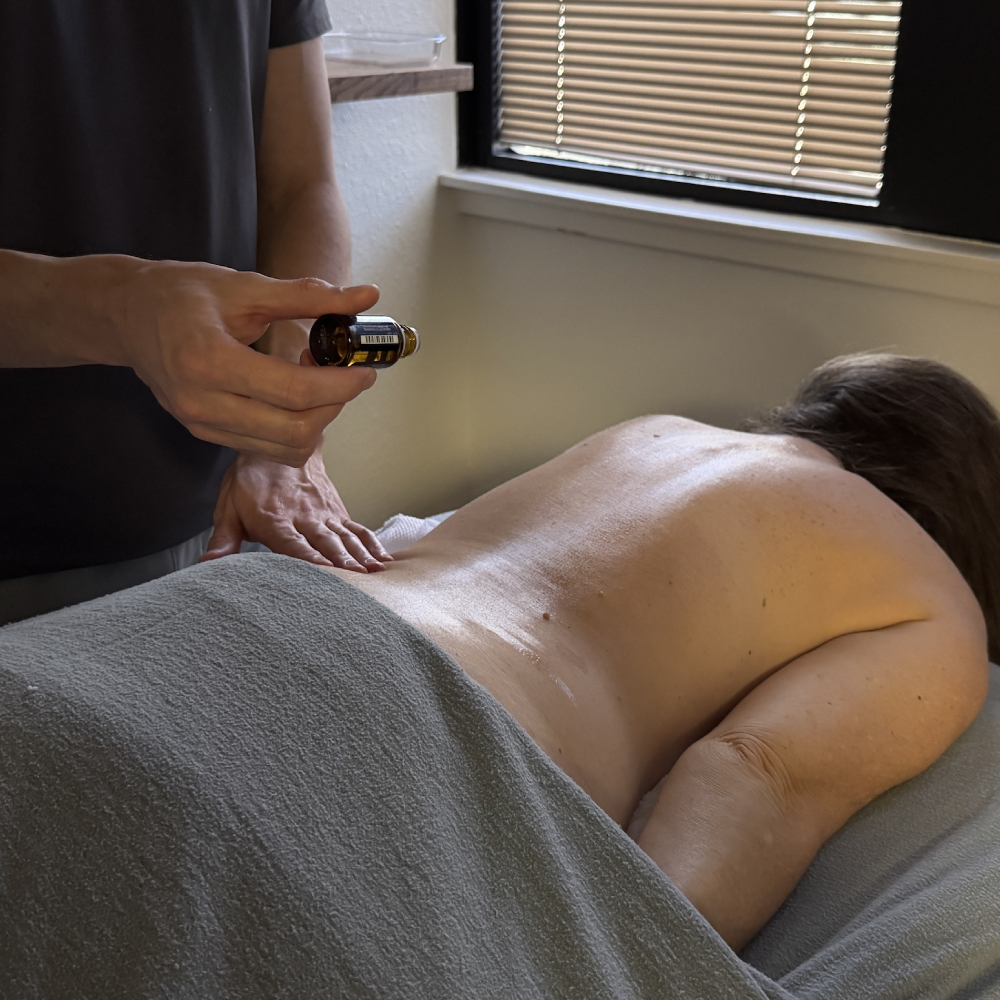
In addition to teaching residents how to safely perform daily tasks, assisting patients in improving and/or avoiding further deterioration of their condition, assisting residents in adjusting to new or distinctive physical limitations, avoiding complications which could further limit function, and enhancing quality of life, restorative care is beneficial. Since a holistic approach has consistently been at the core of our philosophy, restorative health is a logical extension of C4 Restorative Health Practitioner Texas dedication to complete, patient-centered care.
What are the Goals of Restorative Healthcare?
Despite having different positions on the treatment continuum, restorative healthcare and rehabilitation medicine have one characteristic. Setting treatment objectives is crucial for both. Goals for both should be quantifiable, patient-specific, and as precise as feasible. These objectives should be covered in the care plan, which should be created with the patient’s and family members’ input. As with any goal-setting endeavor, the objectives must be clear, realistic, and reachable in a given amount of time.
Apart from the overarching objectives of preserving good physical, mental, and psychosocial functioning, further objectives could be:
- Increasing the autonomy of the patient
- Maintaining the current function
- Encouraging security
- Enhancing performance and reducing degradation
The Benefits of Restorative Healthcare
A patient can live safely and freely for a longer amount of time thanks to the therapies that restorative healthcare offers. The ultimate advantages of restorative healthcare are the extension of optimal physical and mental skills and the retention and/or improvement of those acquired during more extensive physical therapy. For a longer amount of time, patients who receive restorative therapy may be able to sustain or experience a slower rate of decrease in their capacity to carry out daily living activities, which can help them retain a healthier, more independent lifestyle.
The following services can be included in restorative programs, which have a broad scope:
Improving both passive and active range of motion is likely one of the most popular objectives for restorative care. Ligaments, muscles, tendons, and bones may be the subject of exercises and activities which preserve or enhance a joint’s range of motion and flexibility.
Another of the most popular objectives of restorative care is bed mobility, or the capacity to move from one bed to another.
Restorative care frequently aims to address everyday activities. Maintaining function and independence requires performing tasks including clothing, grooming, and bathing.
Maintaining function may require the use of splints, braces, and wraps, but patients usually require clear instructions on when and how to put on and take off supportive equipment. Patients who must adjust to new amputations also require amputation and prosthetic care.
Another important objective of restorative healthcare is communication, which may involve reading and writing assistance, receptive or expressive communication assistance, or speech pathology therapies or assessments.
Patients may benefit from cognitive retraining in terms of cognition, memory, and dementia symptom management.
Patients with swallowing and other feeding difficulties can benefit from therapies that focus on swallowing, eating, and dining assistance.

Conclusion
Activities that support mental, emotional, and physical well-being are the main focus of restorative nursing. People who practice restorative health are empowered to actively manage their own health. The procedures performed at Restorative Health Practitioner Texas are intended to improve overall appearance and address a range of issues.