
Restorative Health Care San Antonio
Restorative Health Care- What is it, Its Importance and its Difference from Rehabilitation
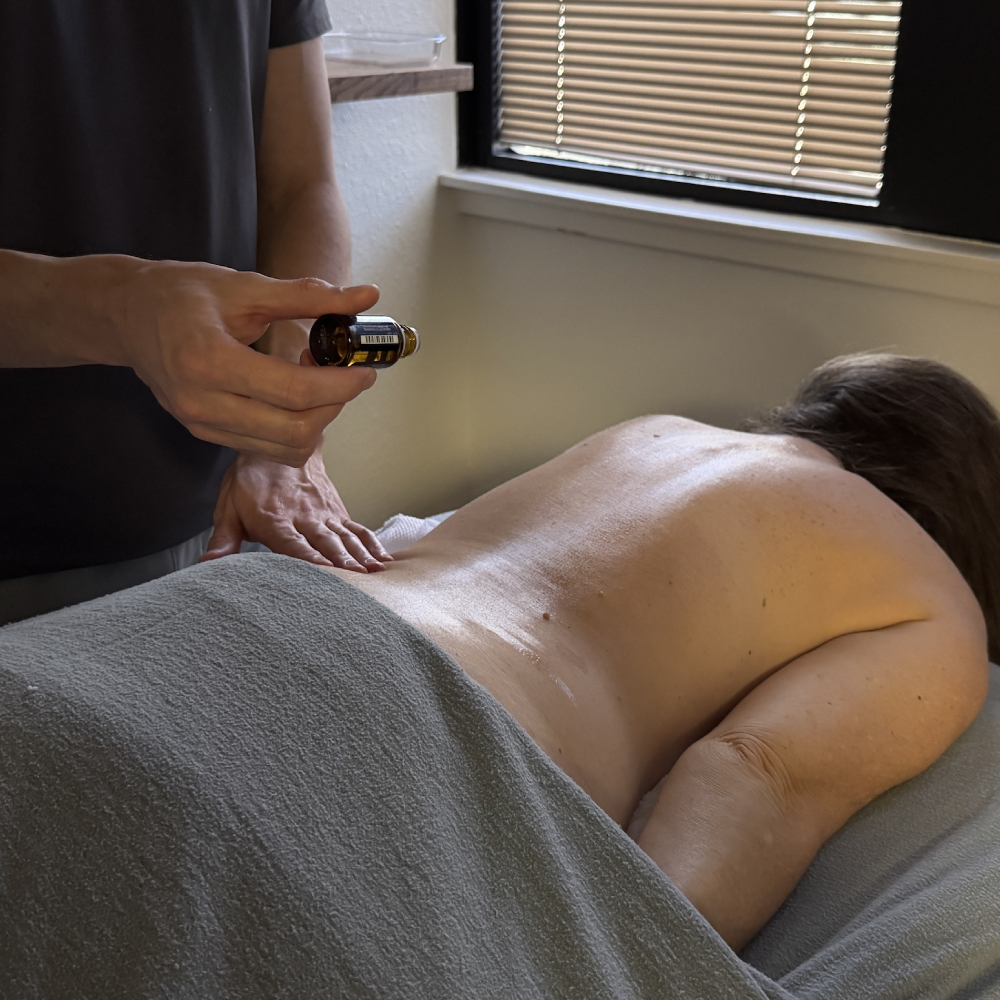
Rehabilitation is commonly confused with “restorative care.” Even though they are complementary, restorative care and rehabilitation are two quite different strategies, each with its own goals and advantages. Since a holistic approach has always been central to our philosophy at C4 Restorative Health Care San Antonio restorative health is a logical progression of our dedication to all-encompassing, patient-centered care.
What is Restorative Health?
Recuperation from disease or injury is only one aspect of restorative health. It encourages long-term resilience and draws attention to the body’s innate ability to recover.
Three fundamental ideas are the emphasis of this strategy:
Finding and Resolving the Fundamental Causes of Health Issues
Restorative health aims to identify the root causes of health problems rather than merely addressing their symptoms. This could entail taking environmental influences, sleep patterns, stress levels, and eating habits into account. In this process, a skilled practitioner of integrative or functional medicine can be a great help.
Encouraging Self-Care and Self-Awareness
People who practice restorative health are empowered to actively manage their own health. This entails becoming knowledgeable about good habits, adopting self-care techniques, and making wise choices regarding their wellbeing.
Enhancing Mental, Emotional, and Physical Health
A restorative approach acknowledges the interdependence of mental, emotional, and physical health. It includes activities that support every facet for a comprehensive feeling of wellbeing. A multitude of knowledge and advice on self-care techniques and good habits may be found in resources from groups such as the American Holistic Health Association (AHHA). By taking care of every part of your health, you can lay the groundwork for resilience and wellbeing in the long run.
What Makes Restorative Health Vital?
Without a question, traditional healthcare is crucial. It is excellent at managing chronic disorders, performing life-saving procedures, and recognizing and treating acute illnesses. But instead of addressing the root causes of health issues, it might often concentrate on treating their symptoms. The more comprehensive facets of well-being, such stress levels, sleep patterns, and lifestyle choices, which all have a big impact on our general health, might not always be taken into account by a strictly traditional model.

Rehabilitation or Restorative Care
The more well-known forms of rehabilitation, such physical, occupational, and speech therapy, are administered by qualified professional therapists whose goal is to assess a patient’s level of function, set goals, and then create treatment plans to achieve those goals. Teaching patients’ new skills while tracking their development is part of rehabilitation. It usually occurs temporarily after a hospital stay.
Usually used following rehabilitation, restorative care aims to preserve and maximize an individual’s level of function, allowing them to keep their abilities and degree of independence. A variety of restorative nursing treatments are offered continuously as part of restorative care programs in long-term care facilities.
Conclusion
Understanding restorative care and how it might preserve a loved one’s vitality is crucial if they are in long-term care. Recognizing the interdependence of mental, emotional, and physical health and treating the person as a whole are key components of restorative health. Restorative Health Care San Antonio procedures are intended to improve overall look and address a range of issues.